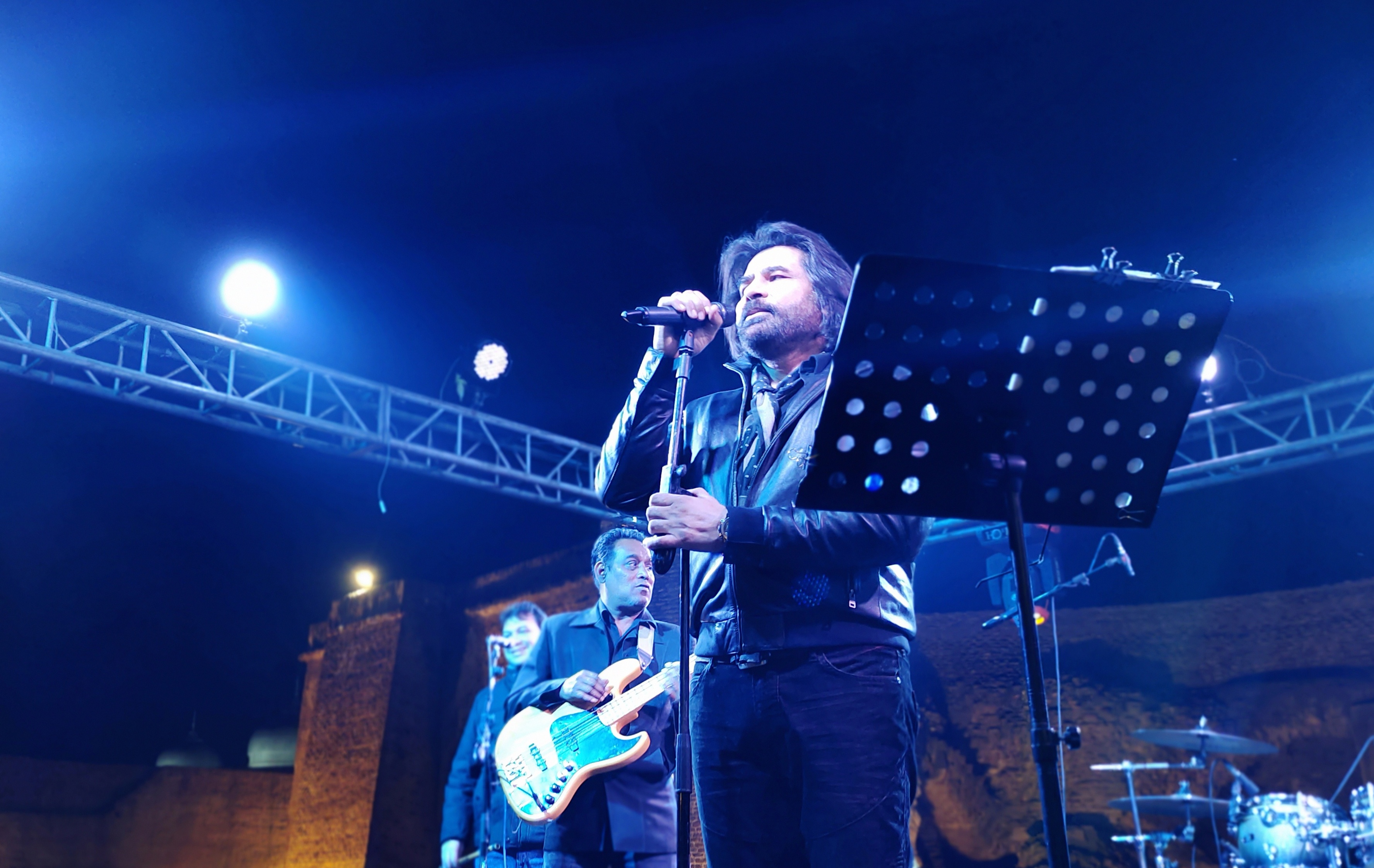
Performance highlights and selected moments
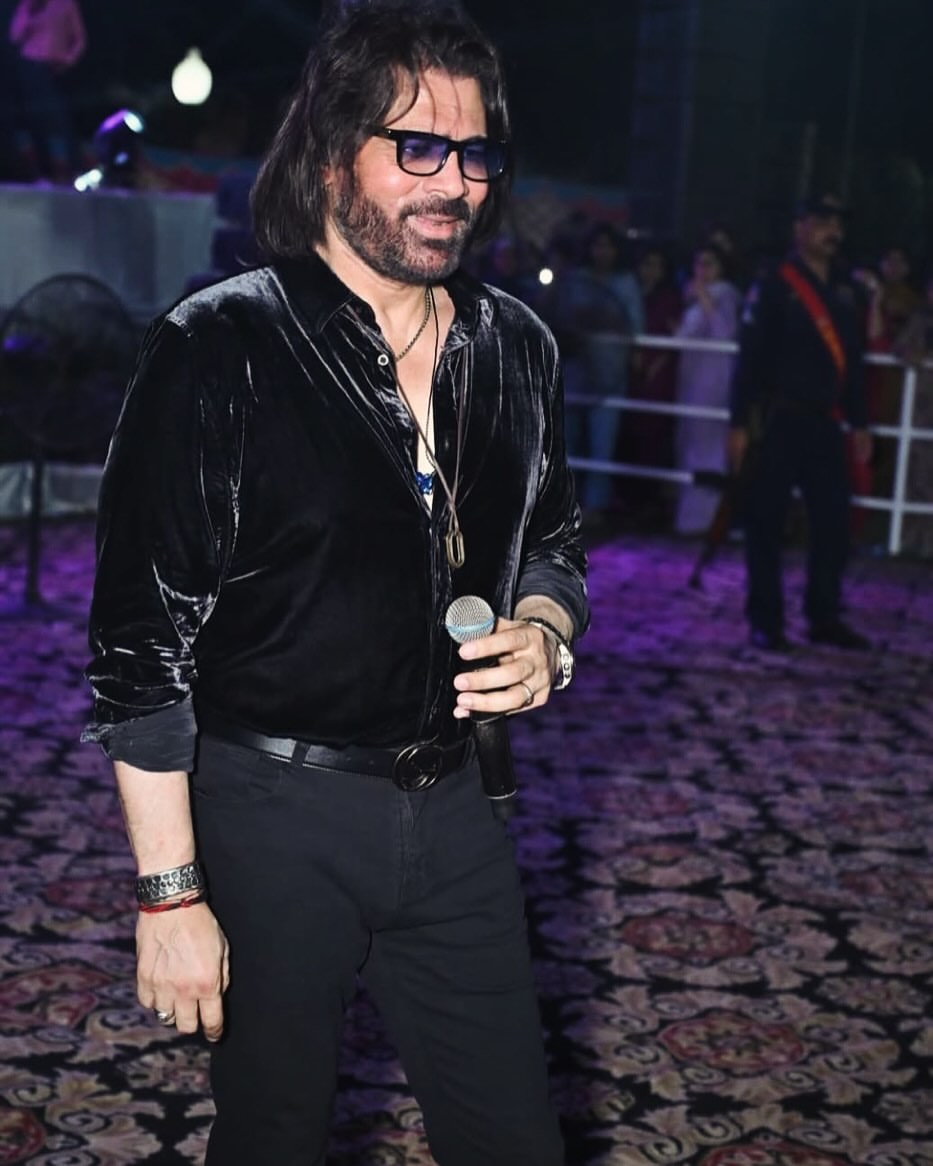
Shafqat Amanat Ali is one of Pakistan’s most distinguished contemporary singers, celebrated for his powerful vocals, classical training, Sufi influence and ability to connect traditional South Asian music with modern sounds. Born on 26 February 1965 in Lahore, Shafqat belongs to the legendary Patiala Gharana, a musical family that has produced some of the subcontinent’s finest classical vocalists.
Over a career spanning more than two decades, Shafqat Amanat Ali has successfully worked across classical, semi-classical, Sufi, pop, rock, ghazal and playback music. He first gained widespread recognition as the lead vocalist of the Pakistani band Fuzön before establishing himself as a successful solo artist. His later work in Pakistani and Indian films, television music, Coke Studio and international concerts further expanded his reputation.
Early Life and Musical Heritage
Shafqat Amanat Ali was born into a family with a deep-rooted musical tradition. His father, Ustad Amanat Ali Khan, was a renowned classical vocalist, while his brother Asad Amanat Ali Khan was also a highly respected Pakistani singer. His uncles included legendary Patiala Gharana vocalists Ustad Bade Fateh Ali Khan and Ustad Hamid Ali Khan.
Growing up surrounded by classical music gave Shafqat an early understanding of ragas, vocal technique and traditional South Asian musical expression. However, instead of restricting himself to classical performance, he eventually developed a style that allowed him to move comfortably between traditional and contemporary music.
He studied at Government College University Lahore, where he also received a Roll of Honour in music during his student years. His connection with GCU remained significant throughout his career, eventually leading to one of the major honours of his professional life.
Shafqat Amanat Ali and Fuzön
Shafqat Amanat Ali became widely known in Pakistan as the lead vocalist of Fuzön, a band recognized for bringing together classical music and contemporary rock-pop arrangements.
Fuzön's music offered something different from the mainstream Pakistani pop scene. Shafqat's classical voice gave the band's songs an emotional depth, while the band's modern arrangements attracted younger listeners.
One of the best-known songs associated with this period was “Aankhon Ke Saagar,” which became an important milestone in Shafqat's career. His work with Fuzön established him as a vocalist capable of maintaining classical authenticity while working within modern musical arrangements.
He eventually left Fuzön in 2006 to focus on his solo career, opening the door to an even broader phase of his musical journey.
Successful Solo Career
After leaving Fuzön, Shafqat Amanat Ali developed a successful career as a solo singer. His debut solo album, Tabeer, was released in 2008 and helped establish his identity outside the band.
He followed it with Kyun Dooriyan in 2010 and Muh Dikhai in 2015. These projects showcased his versatility and featured a combination of contemporary sounds, classical influences, romantic songs and Sufi-inspired music.
Rather than abandoning his classical roots, Shafqat incorporated them into modern arrangements. This balance became one of the defining features of his career.
Bollywood Breakthrough and Regional Popularity
Shafqat Amanat Ali also became a familiar voice to audiences across India through playback singing. His performance of “Mitwa” for the Bollywood film Kabhi Alvida Naa Kehna became one of his signature songs and significantly increased his popularity across South Asia.
He subsequently lent his voice to several prominent film songs, including “Yeh Honsla,” “Bin Tere” and “Dildaara.”
His cross-border success demonstrated the broad appeal of his voice. His classical training, emotional delivery and distinctive tone allowed him to stand apart from many contemporary playback singers.
His work has also earned recognition through nominations at major Indian entertainment awards, including Filmfare, IIFA, GiMA and Zee Cine Awards.
Contribution to Coke Studio and Pakistani Music
Shafqat Amanat Ali has also been associated with Coke Studio Pakistan, one of the country's most influential contemporary music platforms. His participation helped introduce his classical and semi-classical vocal style to younger digital audiences.
His contribution to Pakistani music extends beyond commercial pop. Over the years, he has recorded patriotic songs, Sufi compositions, devotional music, classical-inspired tracks and collaborations with artists from different musical backgrounds.
This versatility is one of the strongest reasons he continues to remain relevant in Pakistan's evolving music industry.
Recent Music and Creative Work
Shafqat has continued releasing music and exploring different sides of his artistic identity in recent years.
In 2023, he collaborated with legendary Sufi singer Abida Parveen on “Laghzish-e-Mastana.” The collaboration brought together two distinctive voices from Pakistan's rich Sufi and classical traditions.
In 2024, he continued his association with Sufi and devotional music. His collaboration on “Allah Tero Naam” offered a new interpretation of the classic devotional composition, while he also released a series of Noha recitations during Muharram, continuing a musical tradition connected with his Patiala Gharana heritage.
He also participated in projects such as “Guru Nanak Aaya” and “Meharma,” demonstrating that his recent work continues to move across cultural, spiritual and musical traditions.
Shafqat Amanat Ali is doing shows, events and concerts all over the world. It’s very easy to be approached and Booked for Events with Fankar Online, A Registered company with vast experience of artist facilitation & Event Planning.
Shafqat Amanat Ali is well known and Highly engaged Artist.
Charges of artist for event, show or concert changes time to time and depends on few factors like how much traveling is require, how they will travel, Stay and Performance Fee.