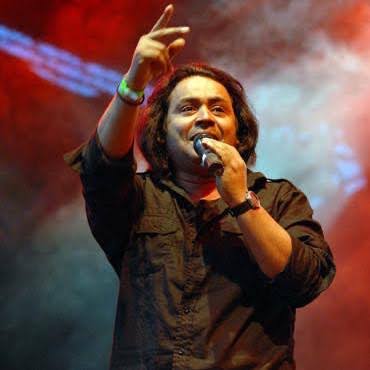
Significant Events
Rahat Fateh Ali Khan: Significant Events, Career Milestones and Musical Journey
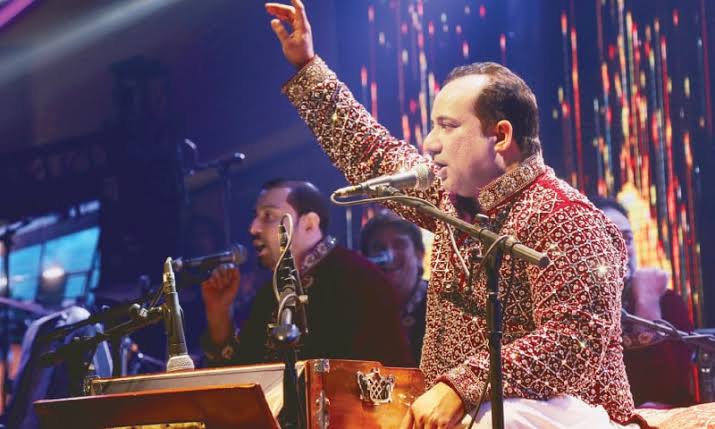
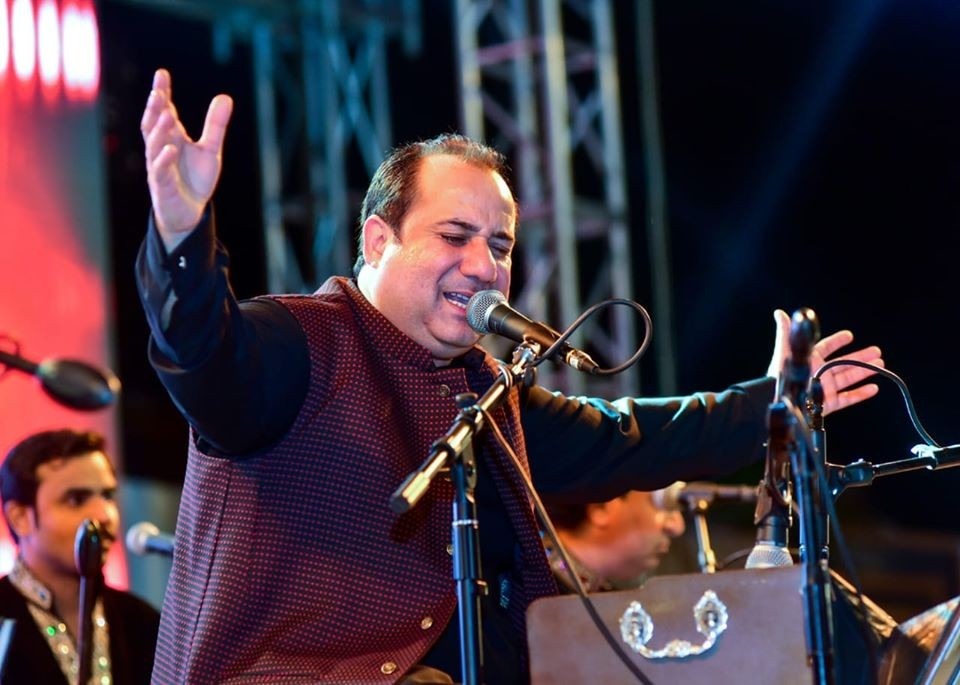
Ustad Rahat Fateh Ali Khan is one of Pakistan’s most internationally recognized singers, celebrated for his powerful Qawwali, Sufi music, ghazals and playback singing. Over a career spanning decades, he has taken the traditional sound of the subcontinent to major international stages while becoming a prominent voice in Pakistani and Indian cinema.
Born on 9 December 1974 in Faisalabad, Pakistan, Rahat Fateh Ali Khan belongs to one of South Asia’s most respected musical families. He is the nephew of legendary Qawwali maestro Ustad Nusrat Fateh Ali Khan and the son of renowned musician Farrukh Fateh Ali Khan.
His journey includes landmark concerts, international appearances, major film songs, prestigious awards and performances that have helped introduce Pakistani Qawwali and Sufi music to audiences around the world.
Early Musical Training and the Nusrat Fateh Ali Khan Legacy
Rahat Fateh Ali Khan was introduced to music at a very young age. His formal musical training began during childhood, and he was trained in Qawwali and classical music by his uncle, Ustad Nusrat Fateh Ali Khan.
According to Universal Music, Rahat joined Nusrat Fateh Ali Khan’s group as a teenager and toured internationally with him. This early exposure to major concert stages became an important foundation for his later career.
Following Nusrat Fateh Ali Khan’s death in 1997, Rahat took on a greater role in continuing the family's musical tradition and eventually established himself as an artist in his own right.
1997: Beginning of a Major Solo Career
The year 1997 was an important turning point in Rahat Fateh Ali Khan's musical journey. After the death of his uncle, he began developing his own identity as a performer while carrying forward the Qawwali tradition associated with his family.
Over the following years, he expanded beyond traditional Qawwali into Sufi music, ghazal, contemporary Pakistani music and film soundtracks.
This versatility eventually allowed him to reach audiences far beyond the traditional Qawwali circuit.
2003: Bollywood Breakthrough with Paap
One of the biggest milestones in Rahat Fateh Ali Khan's career came with his entry into Bollywood playback singing.
His song "Mann Ki Lagan" from the 2003 film Paap became a major breakthrough and introduced his voice to a much wider South Asian audience. His success in Bollywood subsequently continued with songs in films including Kalyug, Omkara, Jhoom Barabar Jhoom, Singh Is Kinng and others.
His Bollywood work demonstrated that the emotional depth of Qawwali and Sufi singing could successfully connect with mainstream cinema audiences.
Major Bollywood Success and Award Recognition
Rahat's film career continued to grow through the late 2000s and early 2010s.
Songs such as "Tere Mast Mast Do Nain," "Teri Ore," "Ajj Din Chadheya," "Bol Na Halke Halke" and "Dil To Bachcha Hai Ji" became widely recognized across the region.
His performance of "Tere Mast Mast Do Nain" from Dabangg brought him major recognition, including an IIFA Award for Best Playback Singer. His work also earned recognition at the Mirchi Music Awards and other Indian entertainment awards.
These achievements established Rahat Fateh Ali Khan as one of the leading Pakistani playback singers working in Indian cinema.
2014: Nobel Peace Prize Concert
One of the most significant international events in Rahat Fateh Ali Khan's career was his performance at the 2014 Nobel Peace Prize Concert in Norway.
He performed at an event connected with the Nobel Peace Prize celebrations, which that year recognized Pakistani education activist Malala Yousafzai.
The Government of Pakistan later described Rahat as one of the world's leading exponents of Sufi music and noted his appearances at major international venues, including the Nobel Peace Prize ceremony.
The performance represented an important moment for Pakistani music on the international cultural stage.
Coke Studio and the Revival of Sufi Music for a New Generation
Rahat Fateh Ali Khan has also played an important role in bringing traditional Sufi and Qawwali music to younger audiences through Coke Studio Pakistan.
Among his notable Coke Studio performances is "Afreen Afreen", performed with Momina Mustehsan in Season 9. The performance became one of the show's most successful songs and helped introduce the classic composition to a new generation of listeners.
His collaborations with artists such as Abida Parveen further demonstrated his ability to combine traditional South Asian musical forms with contemporary production.
2016: Sufi Night – Music of Peace at the United Nations
Another landmark event took place in New York in March 2016, when Rahat Fateh Ali Khan performed at the United Nations General Assembly Hall during Pakistan Day celebrations.
The concert was titled "Sufi Night: Music of Peace."
Organized by the Pakistan Mission to the United Nations, the event was designed to promote peace, harmony and Pakistan's cultural heritage through music.
Rahat performed for diplomats, UN officials, members of the Pakistani diaspora and other guests, presenting Qawwali and Sufi music on one of the world's most prominent international stages.
The event became an important example of how Pakistani music could be used as a form of cultural diplomacy.
International Concerts and Sold-Out Arenas
Rahat Fateh Ali Khan has built a significant international touring career, performing for Pakistani and South Asian communities as well as mainstream international audiences.
His performances have included major venues in the United Kingdom and other countries. In 2016, international media reported on his UK concerts, where he combined classical Pakistani music, popular film songs and traditional Qawwali into extended live performances.
His international appeal has continued through performances at major arenas, including London's O2 Arena and Manchester's AO Arena.
Oxford University Honorary Degree
In 2019, Rahat Fateh Ali Khan received an honorary degree from the University of Oxford, recognizing his contribution to music.
The honor represented another major milestone in his international career and reflected the broader cultural significance of his work.
2021: Lifetime Achievement Award
In March 2021, Rahat Fateh Ali Khan received a Lifetime Achievement Award from the Arts Council of Pakistan, Karachi.
He was also presented with Honorary Lifetime Membership of the Arts Council of Pakistan Karachi, recognizing his contribution to the entertainment and music industry.
The recognition highlighted his contribution not only as a singer but also as an important representative of Pakistan's musical heritage.
2024: Hilal-e-Imtiaz
One of the highest recognitions of Rahat Fateh Ali Khan's career came in 2024, when he was conferred the Hilal-e-Imtiaz, Pakistan's second-highest civilian award.
The award recognized his services to Pakistani and South Asian music, including his contributions to Qawwali, singing and the international promotion of Pakistani arts.
This national honor placed his musical career among the country's most distinguished artistic achievements.
A Career Across Qawwali, Sufi Music and Film
What makes Rahat Fateh Ali Khan particularly significant is the breadth of his musical career.
He has successfully performed across several genres, including:
Qawwali
Sufi music
Classical music
Ghazal
Pakistani film music
Bollywood playback singing
Contemporary popular music
Live concert performances
His ability to move between traditional Qawwali and contemporary music has helped introduce South Asian spiritual and classical musical traditions to listeners who may otherwise never have encountered them.
Rahat Fateh Ali Khan's Most Significant Career Events
Some of the most important milestones in his career include:
| Year | Significant Event |
|---|
| 1980s | Began performing and touring with Ustad Nusrat Fateh Ali Khan |
| 1997 | Took a leading role in continuing his family's Qawwali tradition after Nusrat Fateh Ali Khan's death |
| 2003 | Bollywood breakthrough with Paap and "Mann Ki Lagan" |
| 2010–2011 | Major Indian music awards for playback singing |
| 2014 | Performed at the Nobel Peace Prize Concert |
| 2016 | Performed "Sufi Night – Music of Peace" at the United Nations |
| 2016 onward | Continued major international concerts and arena performances |
| 2019 | Received an honorary degree from Oxford University |
| 2021 | Received Lifetime Achievement Award from Arts Council of Pakistan Karachi |
| 2024 | Received Pakistan's Hilal-e-Imtiaz for musical excellence |
The International Legacy of Rahat Fateh Ali Khan
Rahat Fateh Ali Khan's career represents a bridge between traditional South Asian music and the global entertainment industry.
From the Qawwali gatherings of his early years to Bollywood soundtracks, Coke Studio collaborations, international arenas, the United Nations and the Nobel Peace Prize Concert, his career has consistently expanded the audience for Pakistani music.
His greatest contribution may be his ability to preserve the emotional character of traditional Sufi and Qawwali music while presenting it in formats that connect with modern audiences.
For Pakistan's entertainment industry, Rahat Fateh Ali Khan remains one of the country's most recognizable musical ambassadors, with a career that combines Qawwali heritage, contemporary music, international performances and cultural diplomacy.
Conclusion
Ustad Rahat Fateh Ali Khan's journey is more than the story of a successful singer. It is the story of a musician who inherited a centuries-old Qawwali tradition and carried it into modern cinema, television, digital music and some of the world's most prestigious performance venues.
From "Mann Ki Lagan" and his Bollywood breakthrough to his Nobel Peace Prize Concert, United Nations performance, Oxford honorary degree, Lifetime Achievement Award and Hilal-e-Imtiaz, his significant events reflect a career that has made Pakistani and South Asian music accessible to audiences around the world.
For anyone looking to understand the global evolution of Pakistani Qawwali and Sufi music, Rahat Fateh Ali Khan's career is one of the most important modern chapters in that story.